Coffee comes from Ethiopia. The arabica plant grew wild in the country’s highland forests long before anyone farmed it, and the word “coffee” itself is often linked to Kaffa, a region in the south-west.
A goatherd called Kaldi noticed his goats dancing after eating red berries from a certain bush.
That is the story every Ethiopian child knows. Kaldi tried the berries, felt the same lift, and carried them to a monastery, where the monks found they could stay awake through evening prayers. It is a legend, first written down in 1671, centuries after it is supposed to have happened. The goats may be invented. The origin is not.
What matters to us is what Ethiopians did next. They did not just drink coffee. They built a ceremony around it.
፪
The ceremony
Made in front of you
In Amharic it is simply buna, coffee. The ceremony is how it is made at home, often more than once a day, and always when a guest arrives.
The host, usually the woman of the house, spreads fresh green grass on the floor and lights incense. She washes green beans and roasts them in a flat pan over charcoal until they turn dark and shine. Then she carries the smoking pan around the room so each guest can draw the aroma toward them. That moment is part of the welcome.
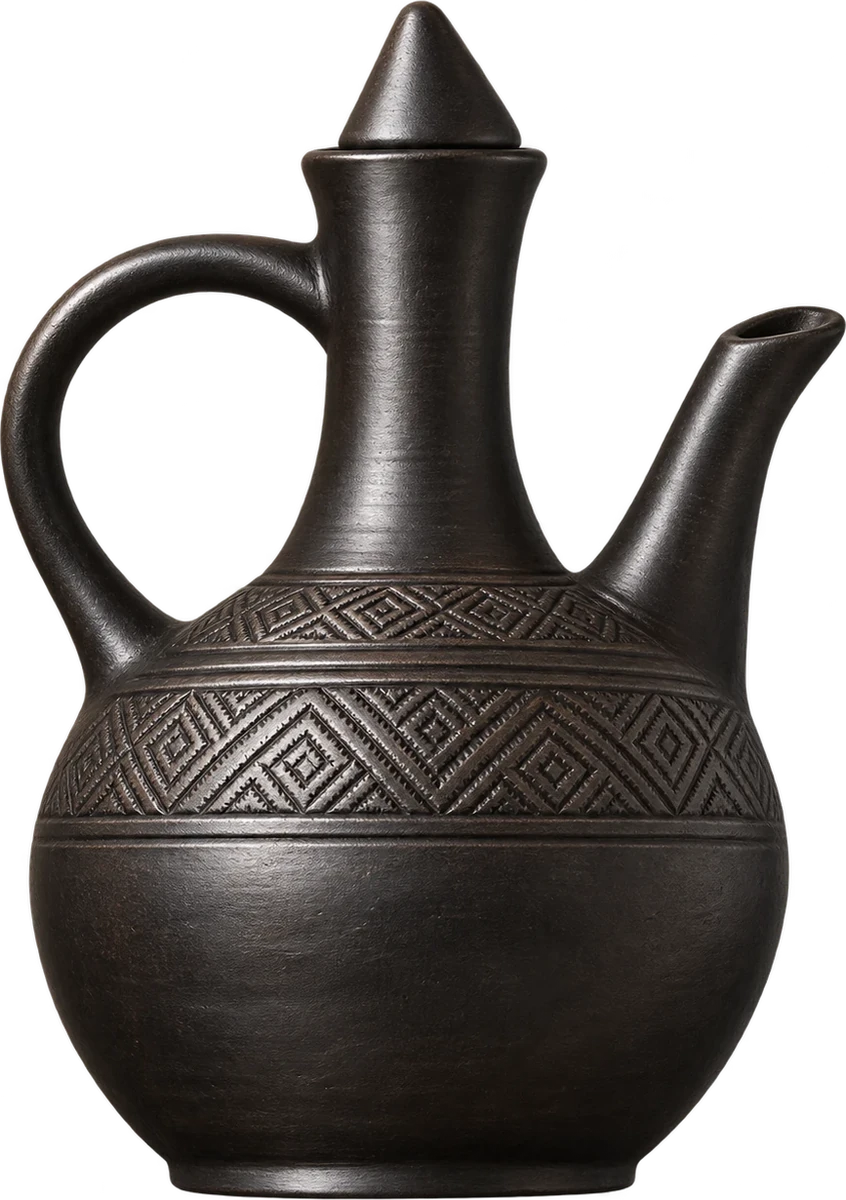
The beans are pounded by hand in a wooden mortar, tipped into the jebena, a clay pot with a round base and a long neck, and brought to the boil. The grounds settle in the base. The coffee is poured in one long stream into small handleless cups, the eldest guest first.
Nothing is hidden in a kitchen. The making is the point.
Popcorn, roasted barley or bread goes round with the cups. The whole thing takes an hour or more, and nobody minds.
፫
Three rounds
Abol, tona, bereka
One pot of grounds is brewed three times, and each round has a name.
አቦል Abol is the first and the strongest. It is the welcome: dark, thick and full of the roast.
ቶና Tona is the second. Water is added to the same grounds, so it is milder. This is the round for talking, when the day’s news comes out.
በረካ Bereka is the third and the lightest. The name means blessing. To stay for it is to give and receive goodwill, which is why leaving before the third cup is considered poor manners.
In Tigrinya-speaking homes the same three rounds are called awel, kale’i and bereka. The names change from region to region. The three cups do not.